
How to Diagnose a Failing Forklift Steering Cylinder — Before It Costs You a Day of Downtime
If your forklift steering feels loose, drifts to one side, or leaks fluid — your steering cylinder is the first place to look. A failing cylinder doesn’t just make the truck harder to control. It wears out tires faster, strains the hydraulic pump, and can shut down an entire shift if it fails mid-operation.
This guide walks you through the 5 most common symptoms, how to confirm the cylinder is the culprit (not the pump or valve), and what to check before ordering a replacement.
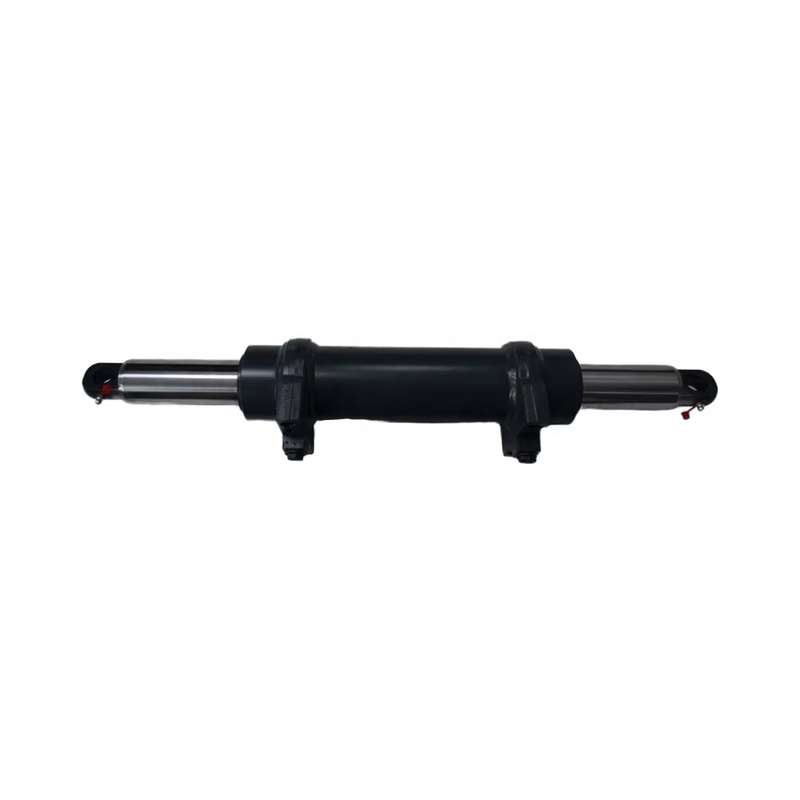
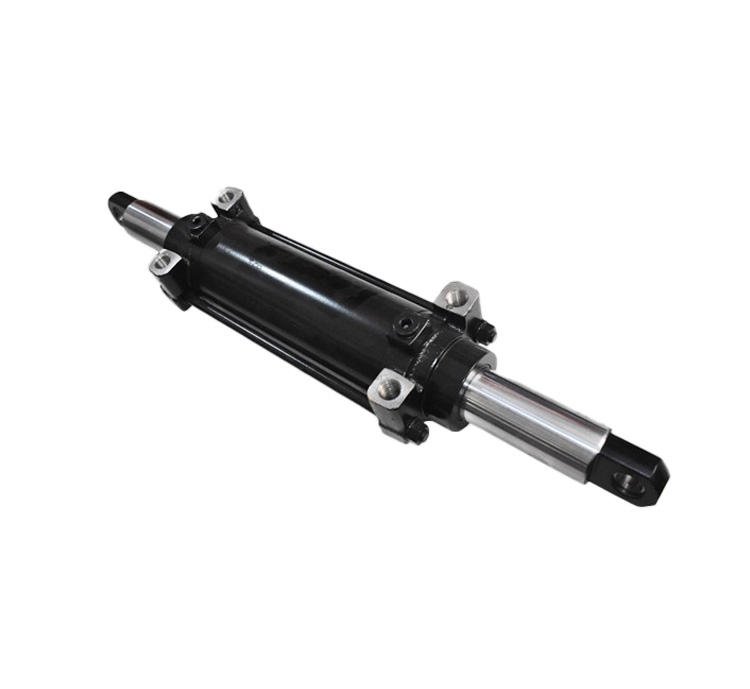
1. Symptom: Steering Feels Loose or Has Excessive Play
Turn the steering wheel more than 45° before the wheels respond? That’s excessive play — and in most cases, the internal piston seals in the steering cylinder have worn out. Hydraulic fluid bypasses the piston instead of pushing it, so the linkage moves slower than your steering input.
How to confirm: With the engine off, have someone turn the steering wheel while you watch the cylinder rod. If the rod moves immediately but the wheels don’t follow, the issue is in the linkage (drag link, tie rod ends), not the cylinder. If the rod itself moves late or unevenly, it’s internal leakage — replace the cylinder. A compatible replacement like the Kingstream H24C4-50402 Steering Cylinder for Heli K30/H2000 drops in with no modification.
2. Symptom: Fluid Leaking Around the Rod Seal
You’ll see a wet, shiny film on the chrome rod or drops of hydraulic oil under the cylinder. This means the rod seal is damaged — usually from contamination (dirt, metal particles) or misalignment during installation.
How to confirm: Clean the rod with a rag, cycle the steering full left/right 3 times, then check again. Fresh fluid confirms a rod seal leak. Don’t ignore this — leaking fluid attracts dust that grinds the seal further, and low hydraulic fluid damages the pump.
For heavy-duty applications, the Kingstream Tilt Cylinder and steering cylinder replacements share the same seal material rated for 2500 PSI continuous duty.
3. Symptom: Steering Works in One Direction Only
You can turn left but not right — or the steering feels noticeably heavier in one direction. This points to a damaged internal seal or a bent rod inside the cylinder. If fluid can’t build pressure on one side of the piston, the cylinder can only push (or only pull).
How to confirm: Swap the hydraulic hoses at the cylinder (left port to right, right to left). If the problem reverses direction, the cylinder is bad. If it stays the same, the issue is in the control valve or pump.
4. Symptom: Knocking or Clunking Sound When Turning
A metallic knock during steering usually means the cylinder mounting bushings or the ball joint at the rod end are worn. The cylinder itself may still be functional, but the loose connection creates play and eventually oval-izes the mounting hole — making repair more expensive.
The Kingstream Mast Bearing 80511K2T and steering linkage bushings should be inspected together since they share the same load path on the front axle.
5. Symptom: Steering “Jerks” or Catches at Certain Angles
If the steering wheel fights back at specific positions (not continuously), the cylinder rod is likely bent — even slightly. A bent rod doesn’t travel smoothly through the gland seal, causing it to catch and release at the same spot in each stroke cycle.
A bent rod also scores the internal bore, so replacing just the rod rarely fixes it — the entire cylinder assembly needs replacement.
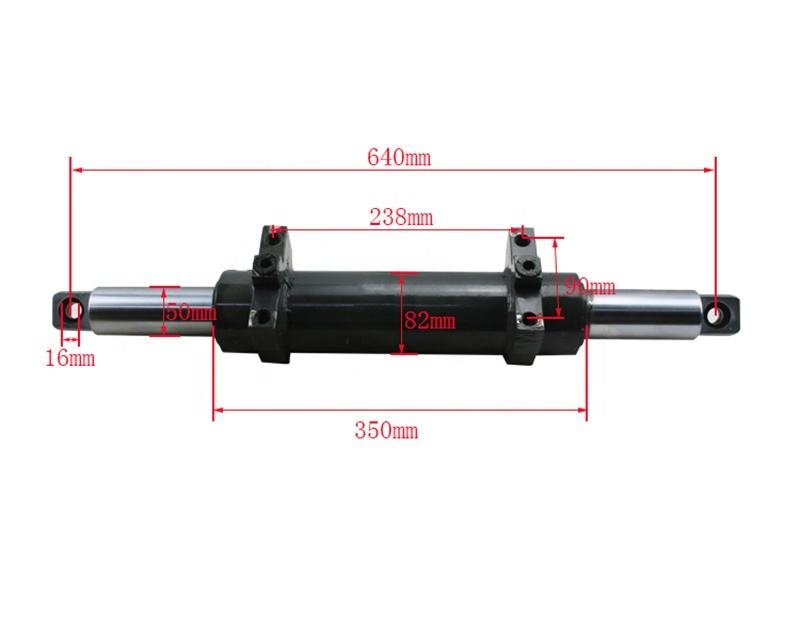
What to Check Before Ordering a Replacement Steering Cylinder
| Check | Why It Matters |
|---|---|
| OEM part number on the cylinder body | Stampings are often faded — photograph them before cleaning |
| Cylinder bore diameter (rod side vs. piston side) | Same stroke length, different bore = wrong steering ratio |
| Mounting eye-to-eye length (fully extended) | Even 5mm difference prevents installation |
| Thread size on the rod end / ball joint | Mismatched thread = you need a new ball joint too |
| Forklift brand, model, and year | Same model, different production year = different cylinder spec |
When ordering, send the OEM number, a photo of the old part, and your forklift model. We cross-match against 50+ steering cylinder variants and confirm compatibility before quoting. Browse our full Forklift Steering Axle Parts catalog or contact us with your part number — we’ll verify and quote within 24 hours.
❓ Frequently Asked Questions
How do I know if the steering cylinder or pump is bad?
If the steering is consistently hard in both directions, the pump is likely the issue. If it’s weak in one direction, noisy, or leaking fluid — it’s the cylinder. Swap the hoses to confirm.
Can I rebuild a forklift steering cylinder myself?
Possible if rod is straight and bore is undamaged. You’ll need a seal kit, clean workspace, and the correct gland nut wrench. If the rod is bent or bore scored, full replacement is cheaper than machining.
How long does a forklift steering cylinder typically last?
3000-5000 operating hours under normal conditions. Heavy dust, overload, or misalignment can cut that to 1000-2000 hours.