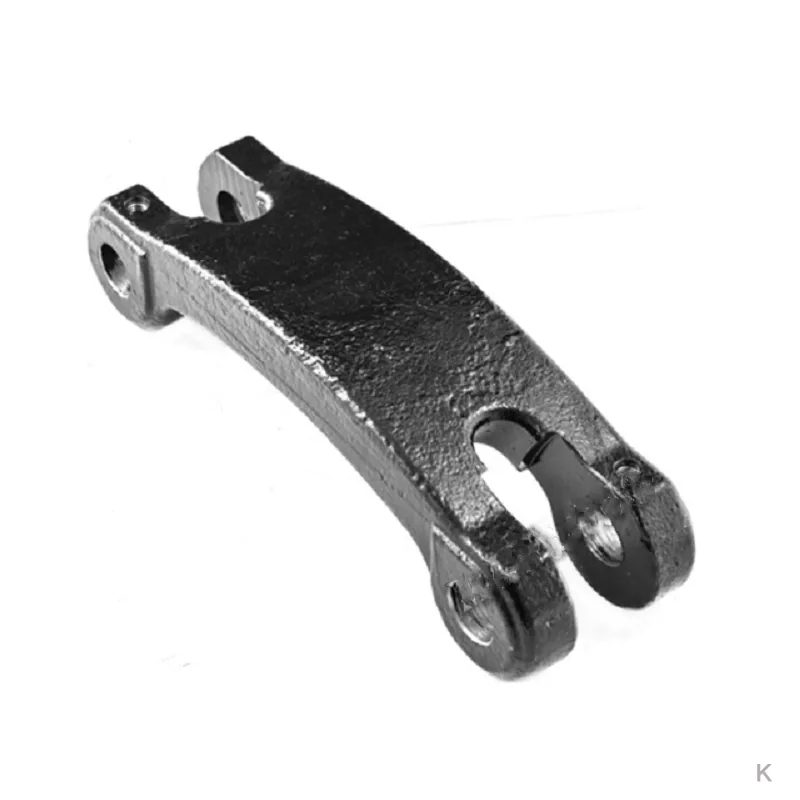
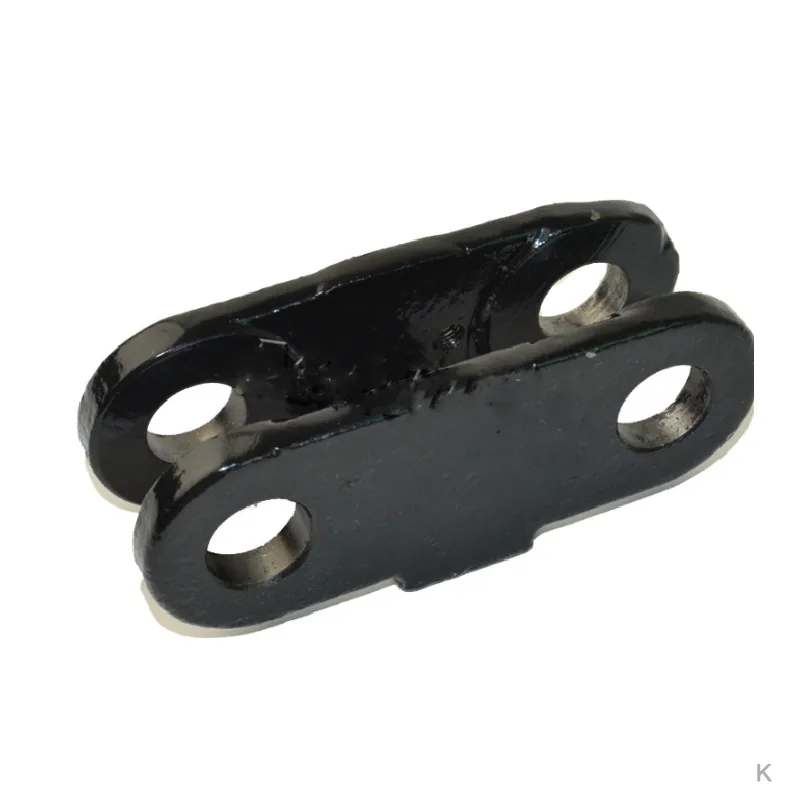
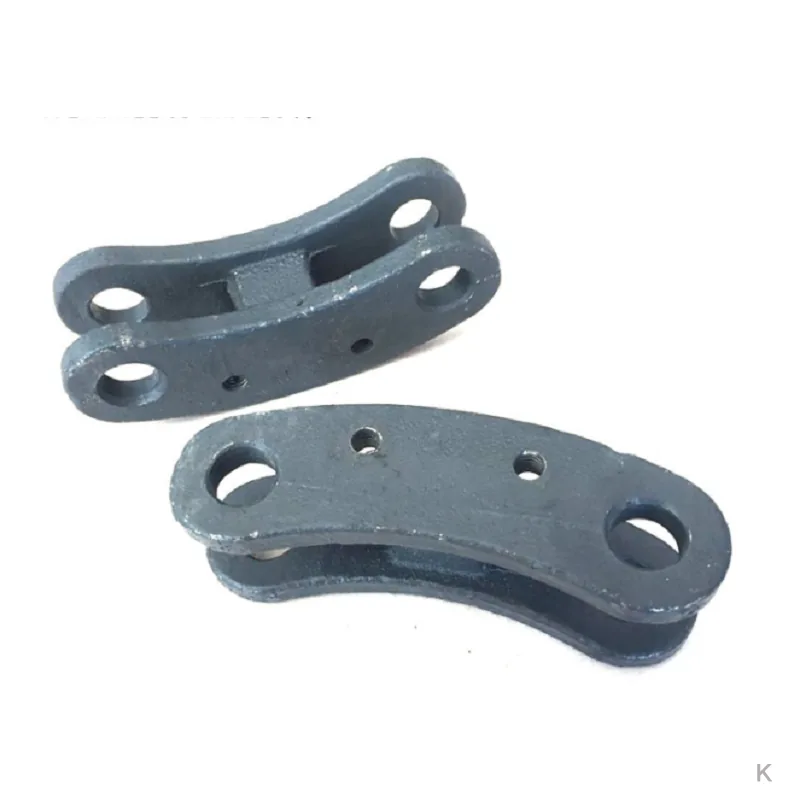
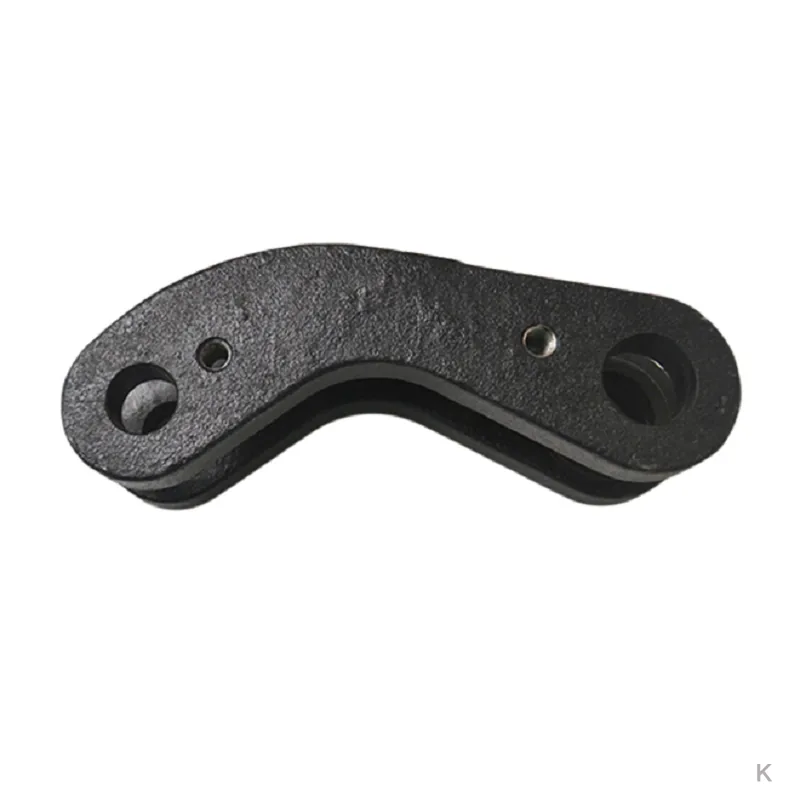
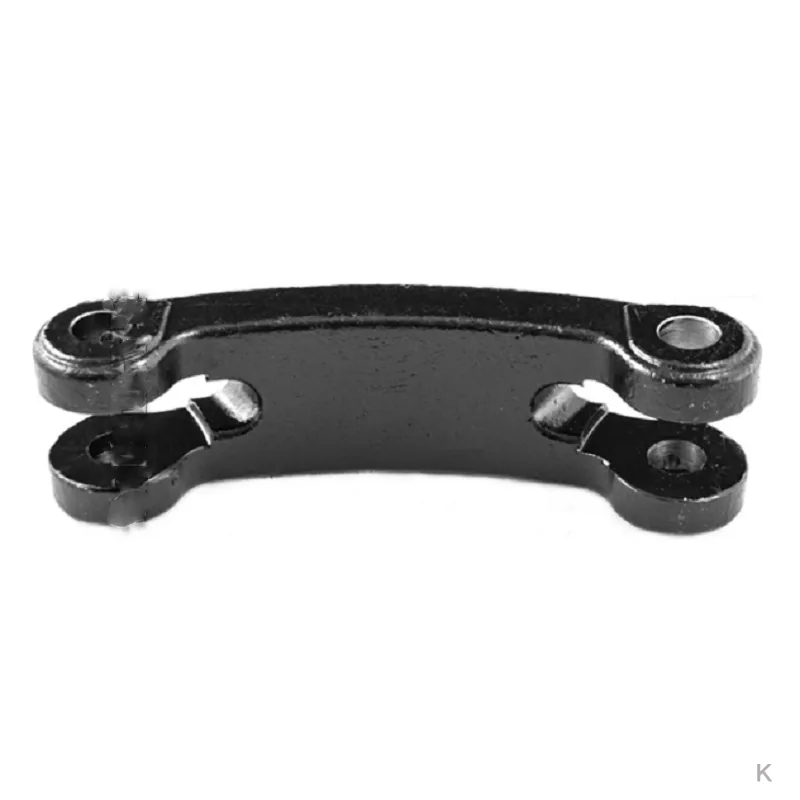
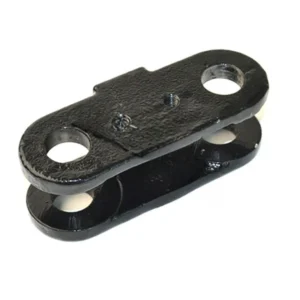
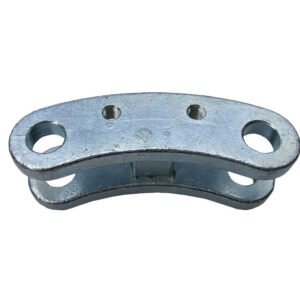
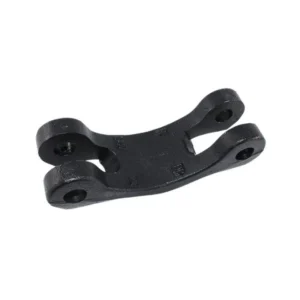
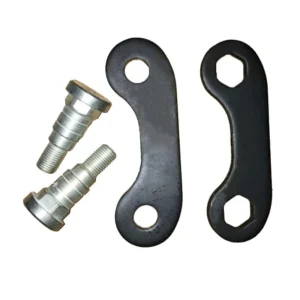
Forklift Parts Forging Alloy Steel Steering Linkage — Heavy-Duty Forged Construction
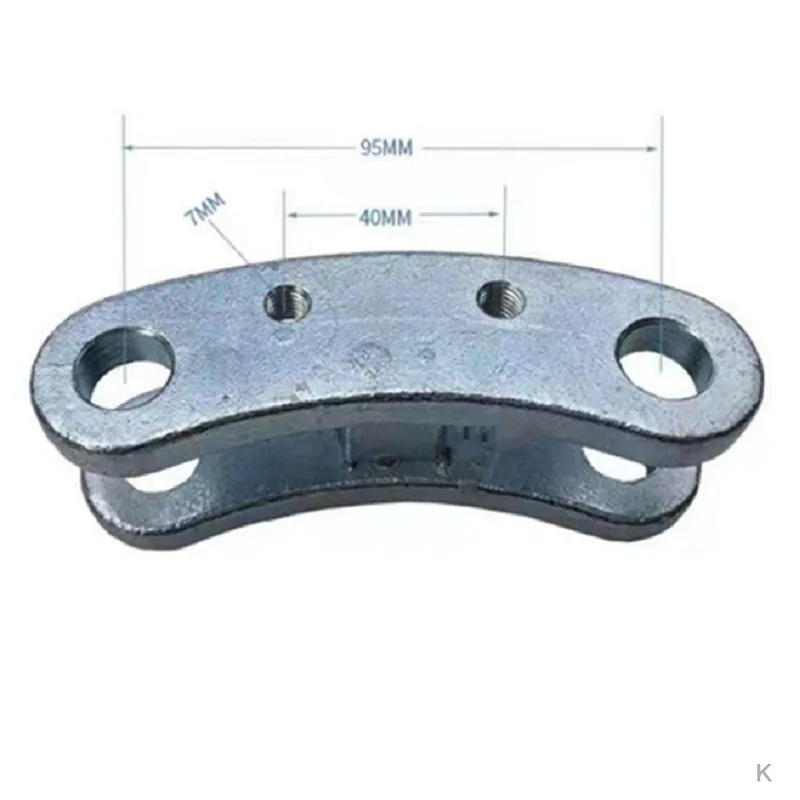
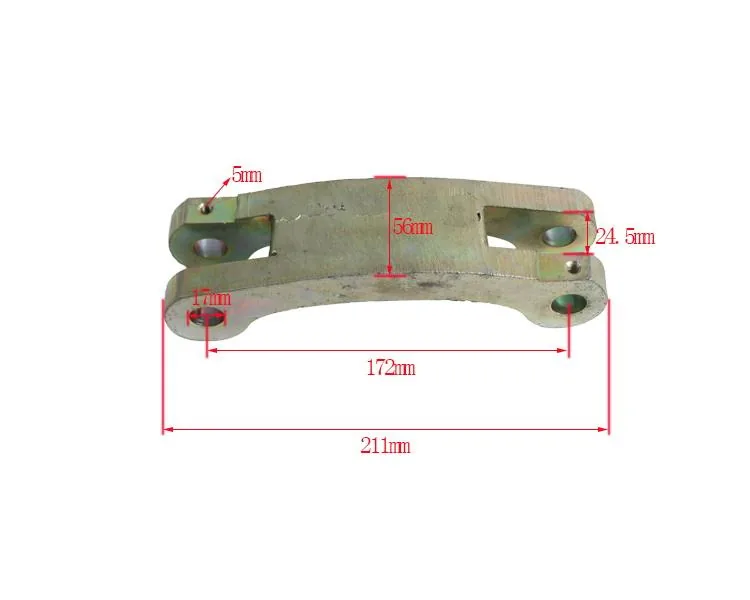
This forged alloy steel steering linkage is engineered for medium-to-heavy forklifts operating in demanding material handling environments. Unlike cast or fabricated alternatives, the forging process aligns the grain flow of the steel along the contour of the linkage, delivering superior fatigue resistance and structural integrity under repeated steering loads. It is commonly specified for 2–10 ton counterbalance forklifts where the steering linkage must absorb lateral shocks from uneven surfaces, tight turns at full load, and continuous stop-and-start duty cycles. The alloy steel composition — typically 40Cr or equivalent medium-carbon alloy steel — provides an optimal balance of hardness and toughness after heat treatment. If you are replacing a bent, cracked, or worn steering linkage, confirm the center-to-center length, taper dimensions at both tie-rod ends, and thread pitch before ordering — these linkages are manufactured to specific model-year ranges and are not universally interchangeable across brands.
Installing a forged steering linkage requires careful attention to the tie-rod end torque specification. Over-tightening the castle nut can deform the tapered seat inside the knuckle arm, causing progressive looseness that mimics a worn ball joint. Under-tightening allows the tapered stud to rock inside the bore, elongating the hole over time and creating a dangerous steering dead zone. Before installation, inspect the mating taper surfaces on both the knuckle arm and the steering cylinder rod end for galling or oval deformation — a new linkage installed into a damaged taper will fail prematurely. Apply a light coat of anti-seize compound to the threaded adjuster sleeve to prevent galvanic corrosion between the steel linkage and the aluminum or cast-iron sleeve. After installation, verify toe-in alignment per the OEM service manual specification; a misaligned linkage accelerates tire edge wear and increases steering effort. Common failure symptoms include a noticeable clunk when changing steering direction, uneven tire wear patterns, and steering wheel shimmy at low speeds — these indicate the linkage ball joints or tapered ends have developed play.
This forged steering linkage suits a wide range of Chinese and Asian forklift brands where OEM part numbers cross-reference. For specific dimensional confirmation — including center length, taper angle (typically 1:8 or 1:10), and thread size — contact our sales team with your existing part number or machine model. Browse our Steering Linkage category for compatible tie-rod ends, linkage pins, and steering knuckles. For OEM specification reference, visit HELI Forklift official site.
Technical Specifications
| Parameter |
Value |
| Material |
Forged Alloy Steel (40Cr / Medium Carbon) |
| Process |
Hot Forging + CNC Machining + Surface Treatment |
| Application |
2–10 Ton Counterbalance Forklift Steering System |
| Compatible Taper |
1:8 or 1:10 (confirm before order) |
| Quality Control |
Professional Dimensional Inspection |
Compatible Forklift Brands
| Brand |
Models |
| HELI |
H2000 Series, G Series, K Series |
| Hangcha |
A Series, R Series, XF Series |
| Tailift |
FD/FG Series |
Each steering linkage is individually inspected for dimensional accuracy before shipment. Standard export packaging with anti-rust coating applied. For bulk orders or custom forging specifications, contact us with your drawings or OEM part numbers.

Reviews
There are no reviews yet.